
A tall back and projecting sides create enclosure without a large footprint. Deep buttoning gives a Chesterfield wingback chair additional depth, bringing vertical emphasis to reading corners, fireplaces and arrangements of lower contemporary seating.
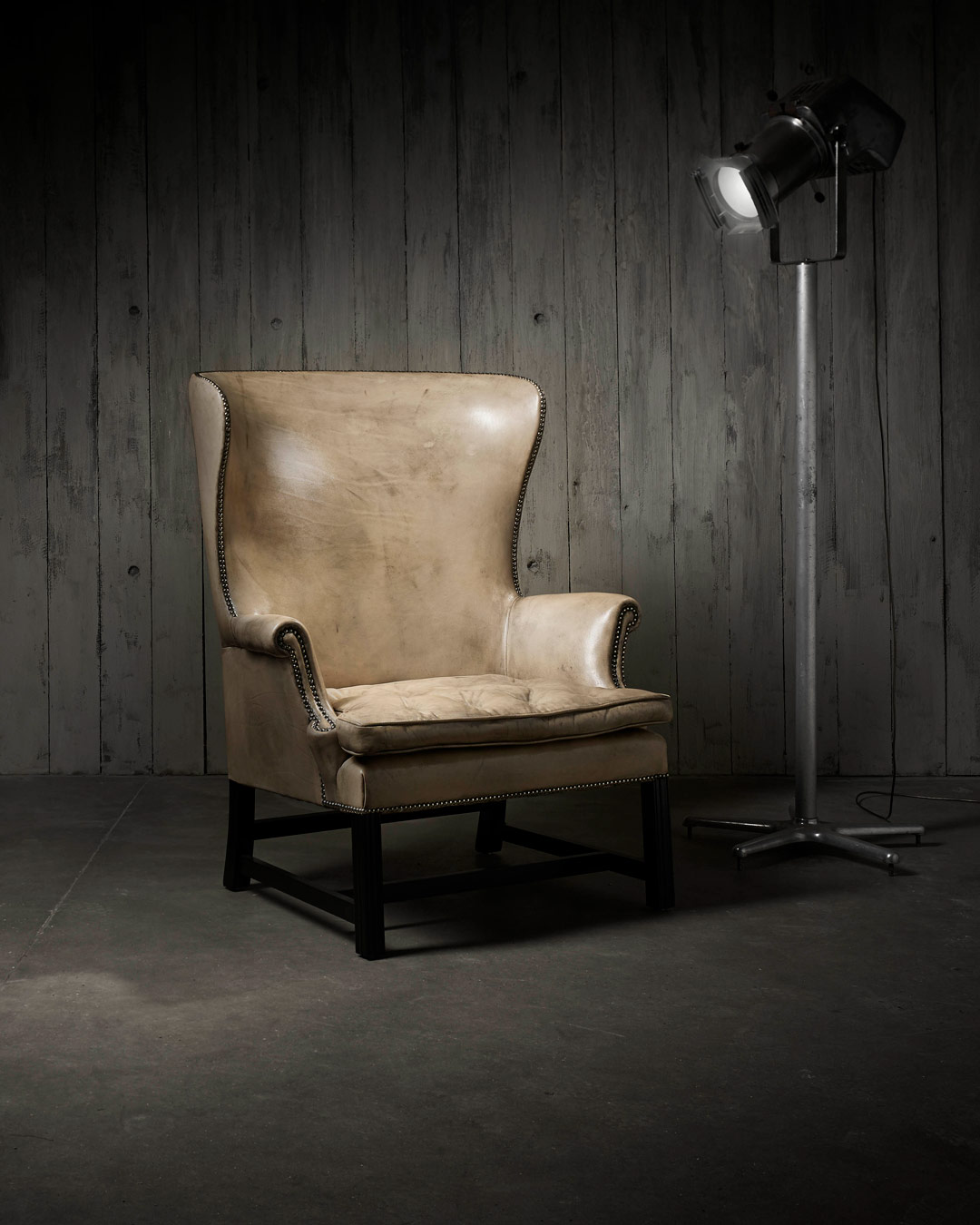
Wingback chairs
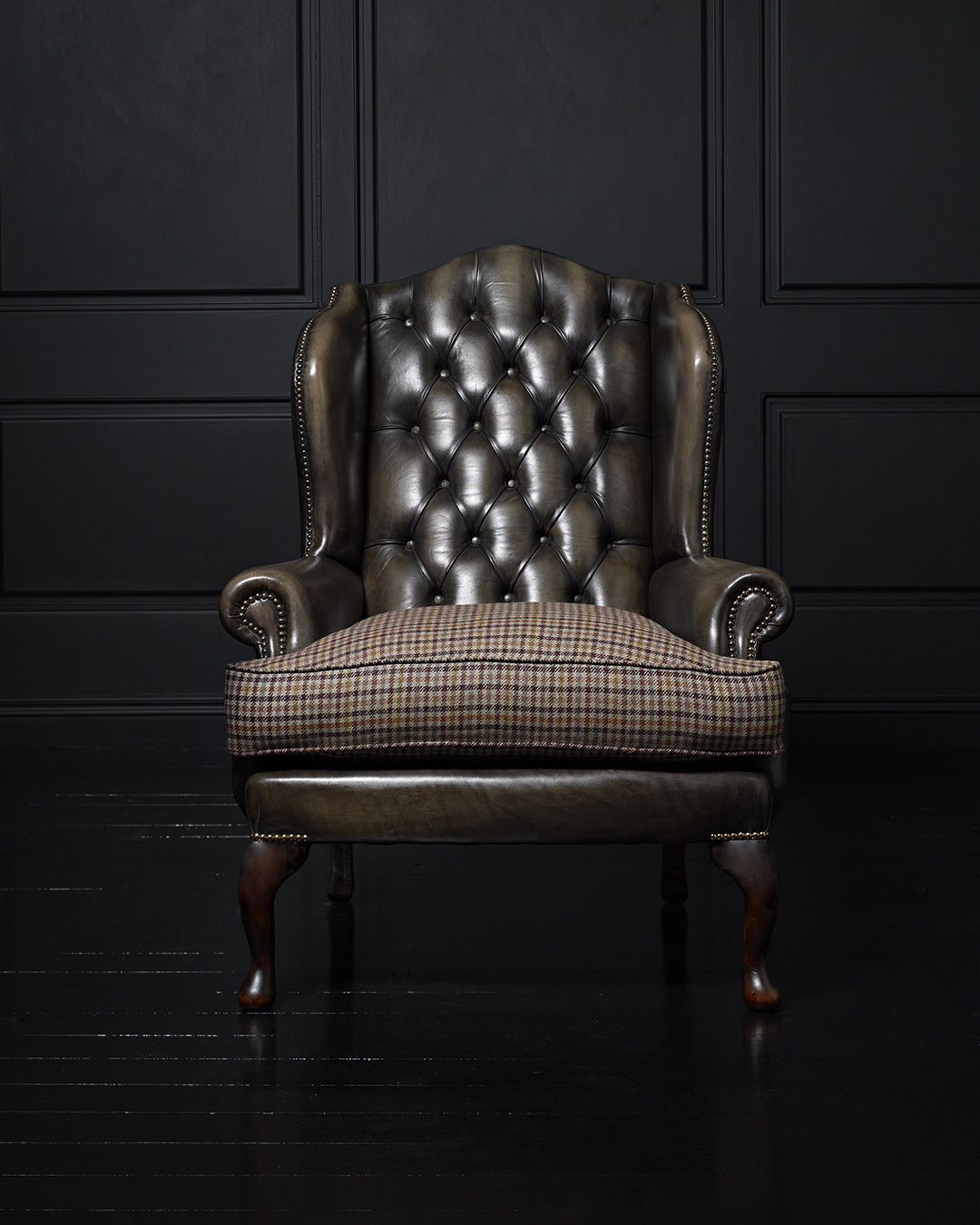
James Boswell
Graceful lines with angles that harmoniously intertwine
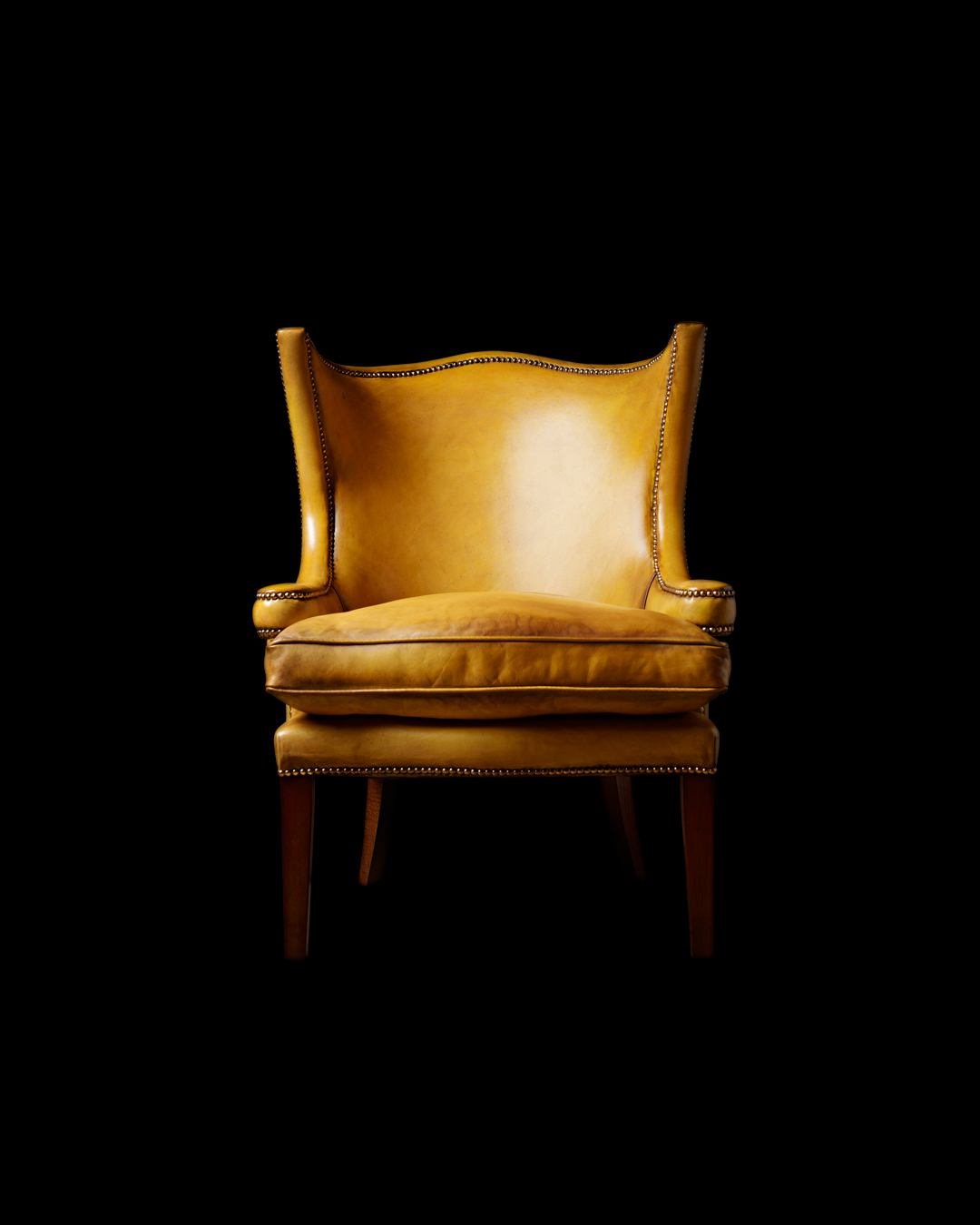
Jonathan Swift
A sculptural object celebrating art and utility
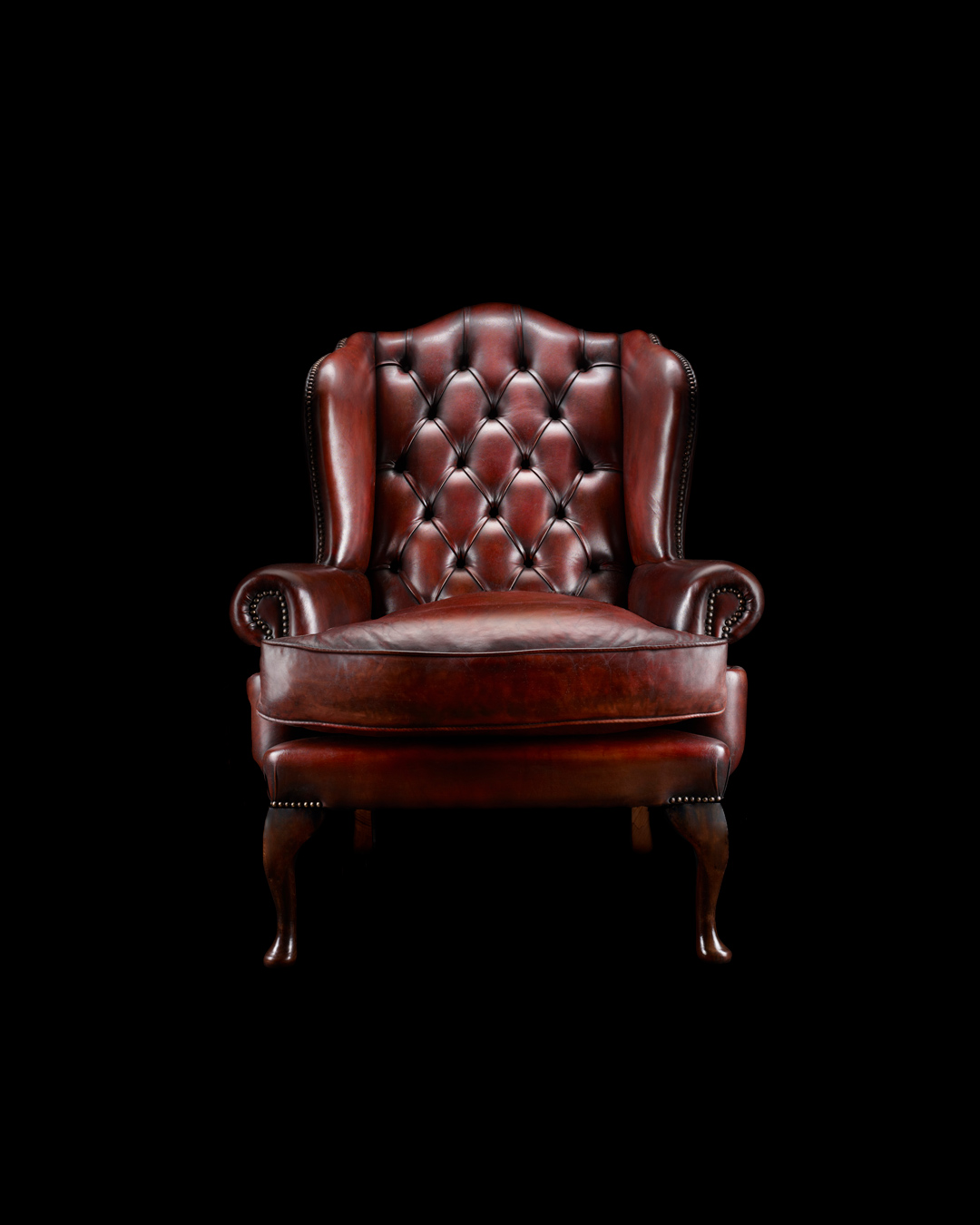
James Boswell
A graceful dance of lines with intertwining angles
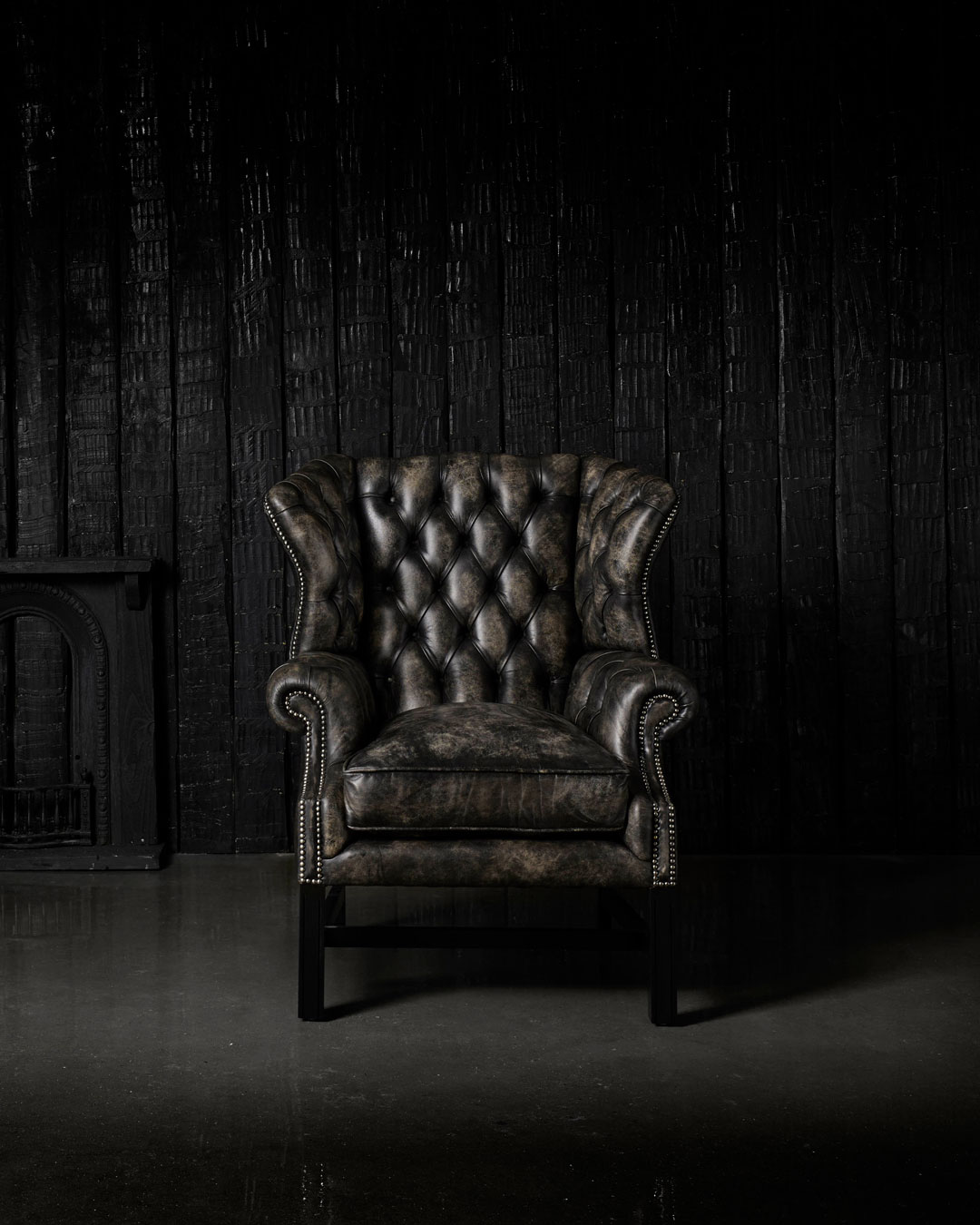
Samuel Johnson
A sense of deep seat amplitude with back support softness
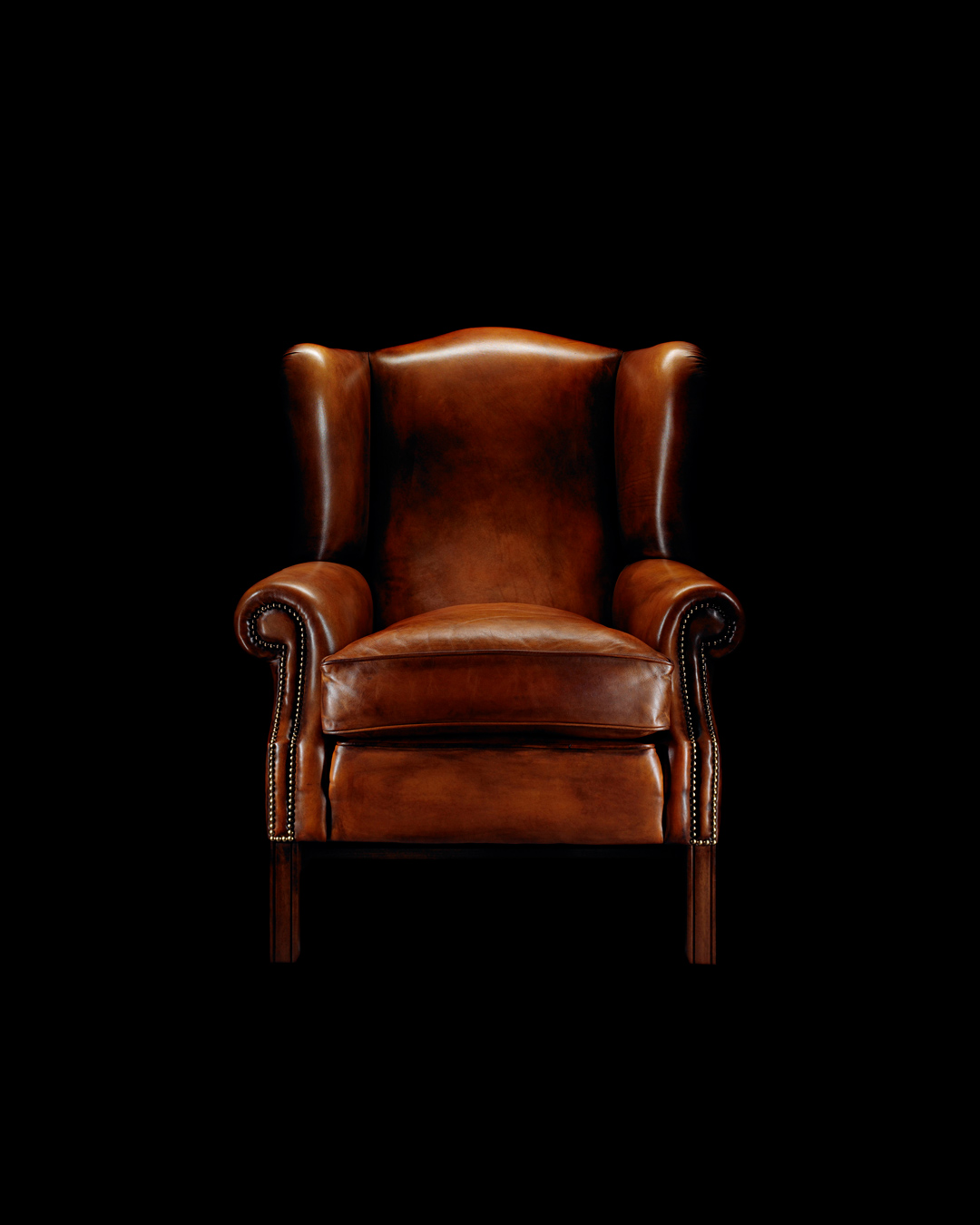
Henry Thoreau
An elegant design built for both comfort and style
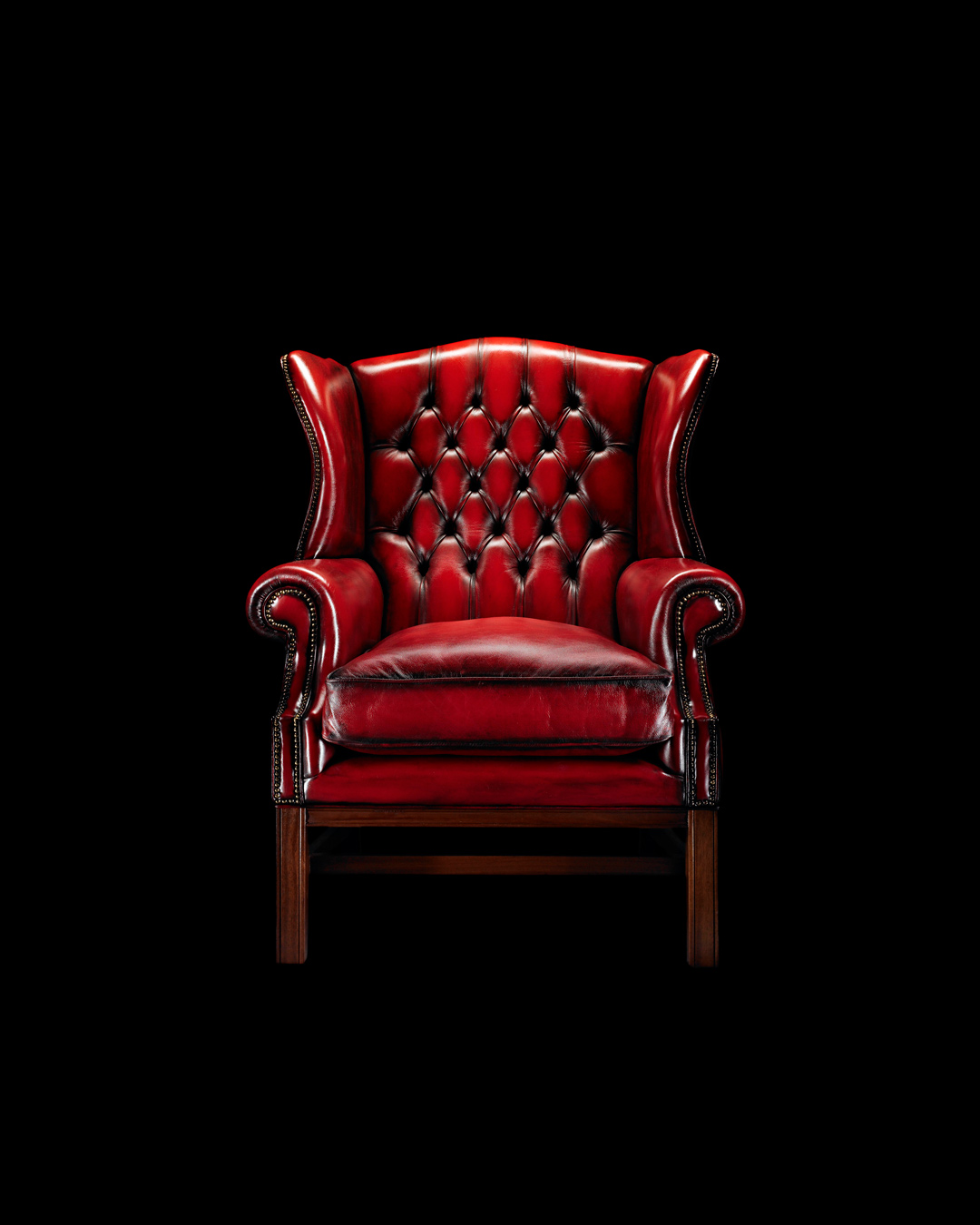
John Stuart Mill
Generously proportioned with amplified back support

Georgian Curve
Impressive proportions with a beautifully crafted curved back
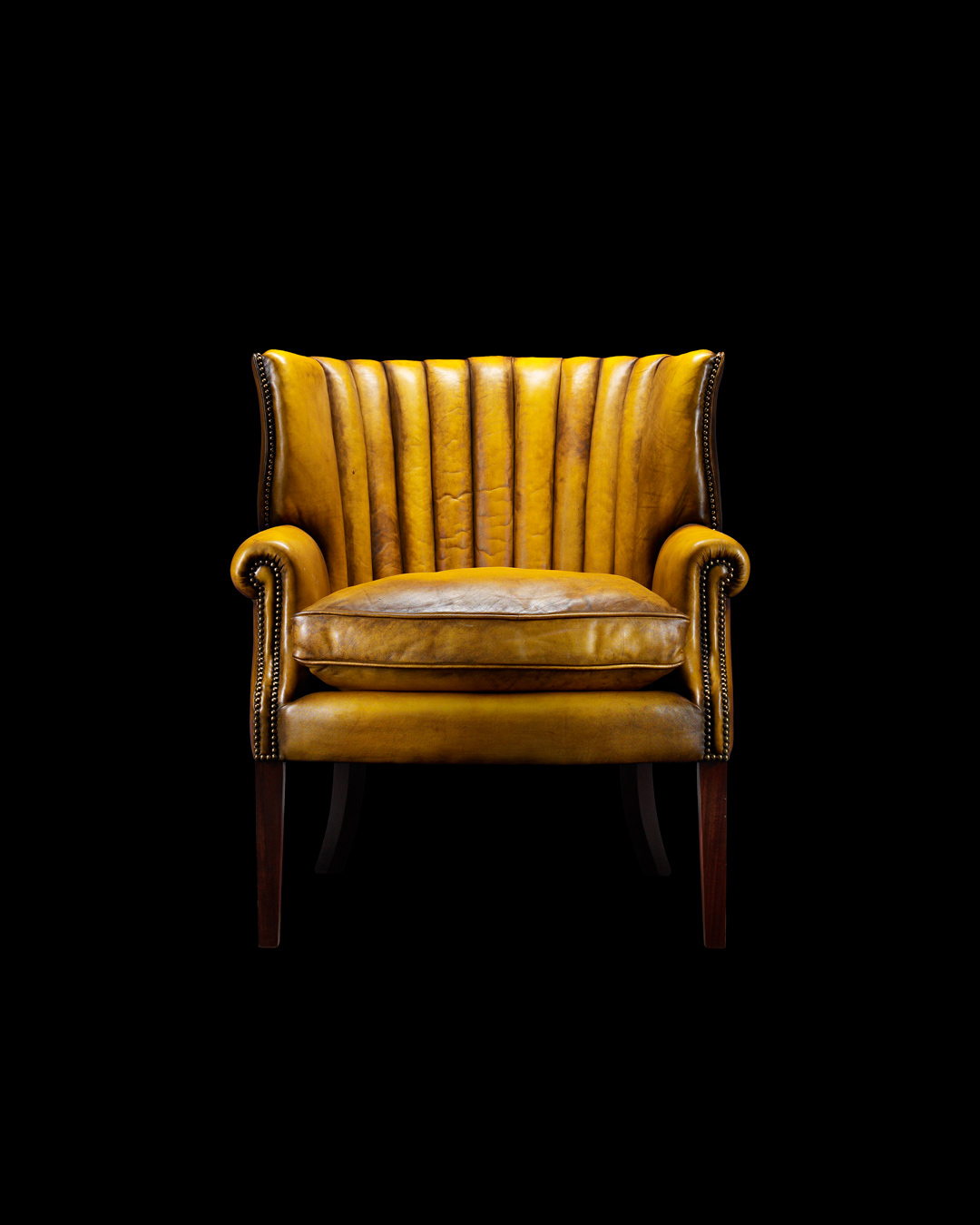
Oliver Goldsmith
An unapologetic celebration of form and luxury
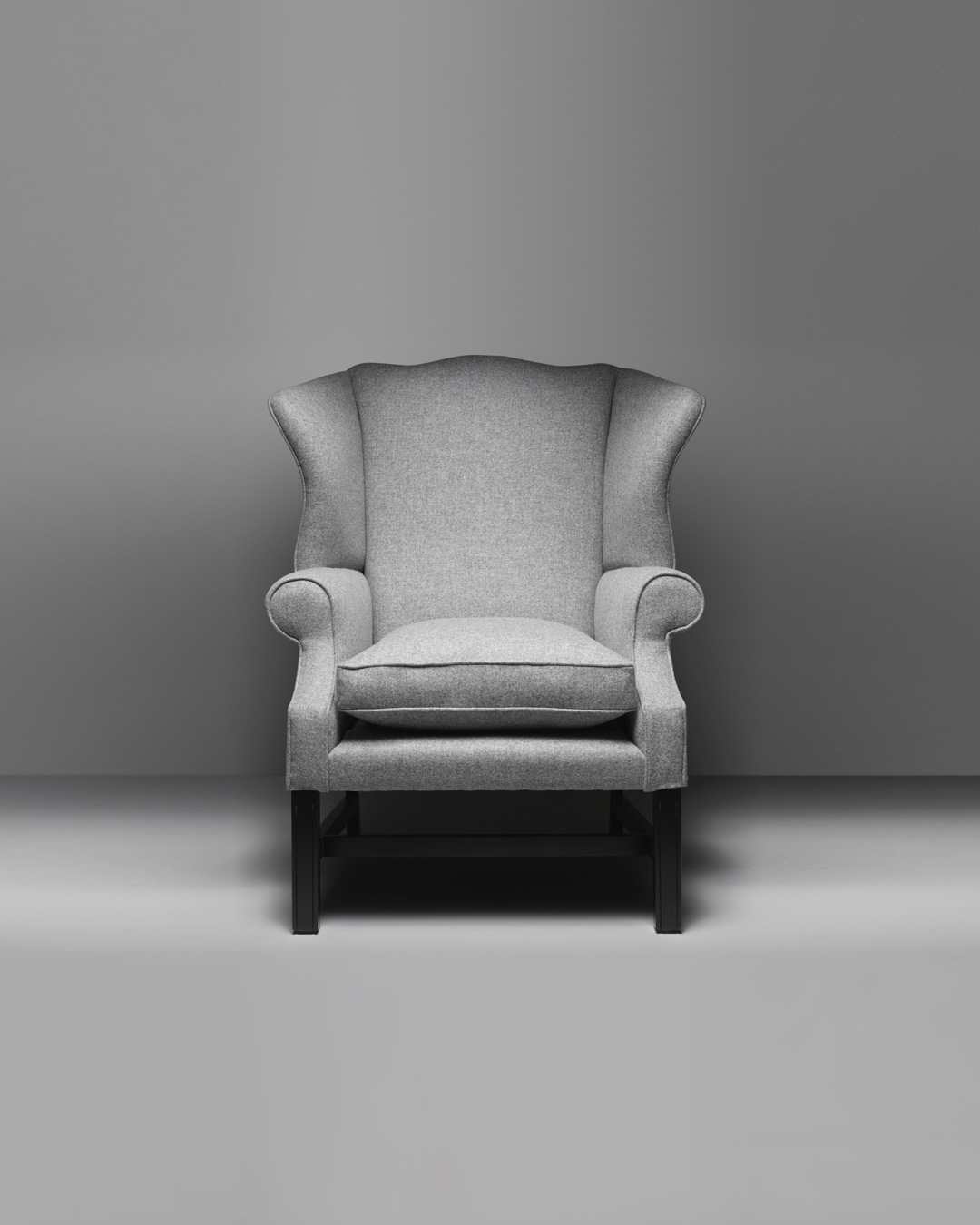
Samuel Johnson
A sense of deep seat amplitude and back support softness
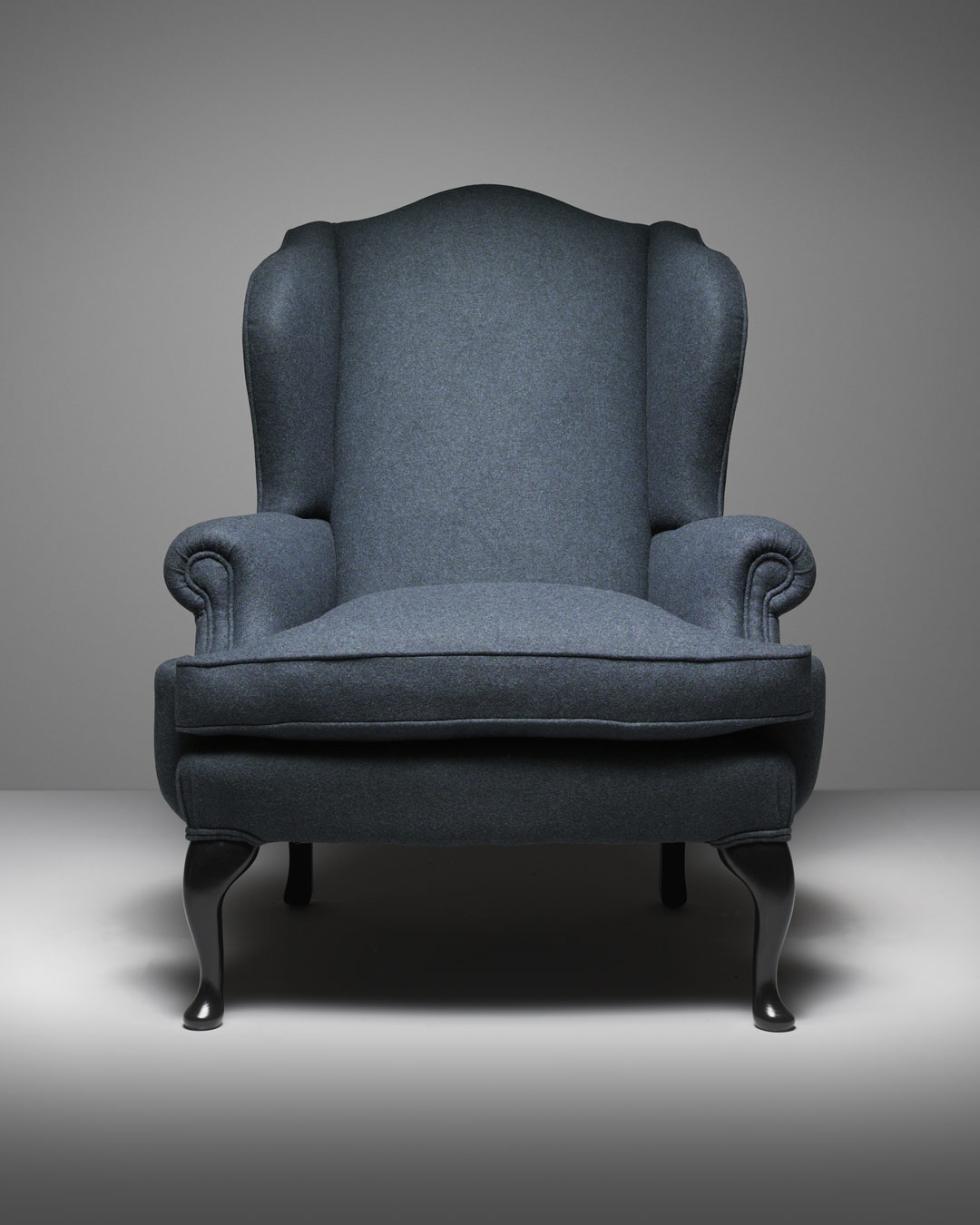
James Boswell
A graceful dance of lines with intertwining angles


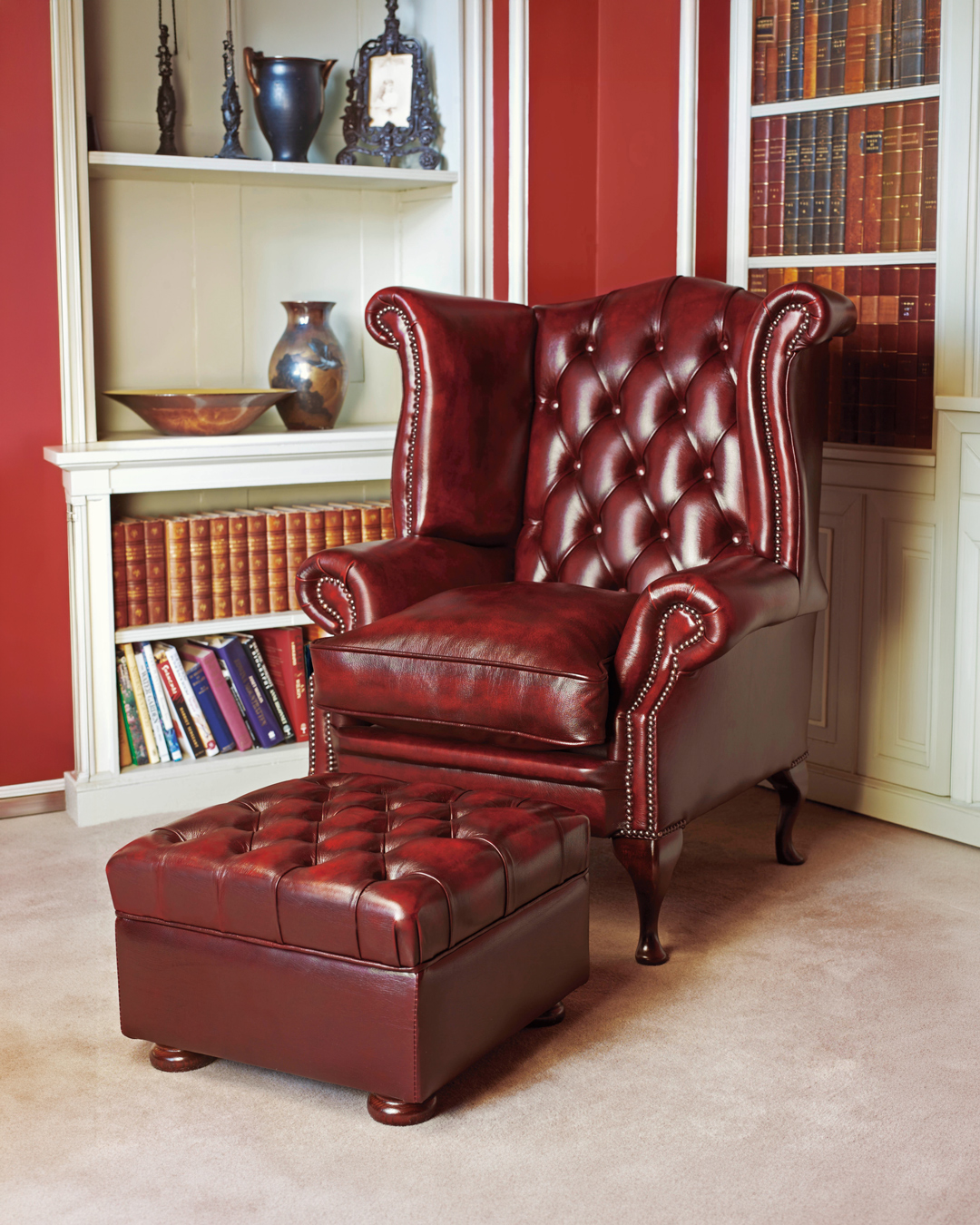
Originally shaped to protect against draughts, the wings now create privacy within larger rooms. Their height complements bookcases and panelling, while hand-coloured leather defines the folds and velvet or wool softens the traditional silhouette.
Colour Guide
A wingback’s height makes its colour prominent above surrounding seating. Deep leather tones create a vertical accent, while bone, tan and muted fabrics reduce visual weight. View buttoned upholstery from different angles to assess shadow and variation.
Discovery Box
Upholstery at eye level makes grain and pile especially visible. Compare leather and fabric from the Discovery Box against walls, fireplace materials and joinery to establish the chair’s presence within the room.

Digital Brochure
Submit the form to receive full collection of digital brochures by email.
Request Brochure
Frequently Asked Questions
What is a wingback chair?
A wingback chair has a tall upholstered back with projecting side panels or wings near the head and shoulders. Originally intended to shield the sitter from draughts and heat loss, the form now provides enclosure, vertical presence and a distinctive silhouette within the room.
What makes a Chesterfield wingback chair different?
A Chesterfield wingback chair combines the high sided wing form with upholstery details associated with Chesterfield furniture, particularly deep buttoning, tailored pleats, substantial padding and often leather. The result is more architectural and enclosed than a conventional low armchair.
Where should a wingback chair be placed?
Wingbacks work well beside fireplaces, in reading corners, bedrooms and libraries, or as a pair within a larger seating arrangement. Their height is useful where a room needs vertical emphasis, but allow enough space around the wings so the silhouette can be read clearly.
Are wingback chairs comfortable for reading?
Their high back and enclosed sides can make wingbacks particularly suited to reading and longer periods of sitting. Comfort still depends on seat depth, cushion feel and the user’s proportions, so these factors should be considered alongside the visual style.
Can a traditional wingback chair work in a modern room?
Yes. A historic silhouette can add depth to a contemporary interior without making the room feel period. Simpler colour, restrained studding and materials such as wool or monochrome leather can emphasise the chair’s geometry rather than its traditional associations.